Leading Knit Fabric Manufacturer

SCROLL

Explore Mineral Wash Fabric Manufacturer

Runtang manufactures mineral wash fabric and related washed-effect fabrics for B2B apparel production. Effects can be developed through pigment dyeing, enzyme wash, stone wash, sanding, or other finishing processes depending on the base fabric and target look. Available in cotton, cotton-polyester blends, rayon, and selected knit or woven bases. MOQ and certification options should be confirmed before sampling.

  • Weight per ㎡
    • 100-600gsm
  • Width
    • 160-190cm
  • Minimum Order Quantity
    • 300 kg per colour
  • Fabric Type
    • Mineral Wash Fabric
  • Possible Fabric Production Certifications
    • Oeko-Tex, 
    • GRS
  • Sample
    • A4 Size Sample Available
  • Lab Dip Lead Time
    • 3-7days
  • PP Sample Lead Time
    • 15days
  • Bulk Lead Time
    • 25-45days
  • Also Known As
    • Vintage Wash Fabric, 
    • Acid Wash Fabric, 
    • Faded Wash Fabric, 
    • Weathered Wash Fabric
  • Yarn Fiber Type
    • 100% Cotton, 
    • 100% Polyester, 
    • 100% Viscose, 
    • Cotton Polyester Blends, 
    • Cotton Acrylic Blends, 
    • Cotton Viscose Acrylic Blends, 
    • Acetate Lyocell Cotton Blends, 
    • Modal Viscose Polyester Blends, 
    • Viscose Acrylic Spun silk Polyester Blends, 
    • Bamboo Cotton Blends, 
    • Lyocell Wool Blends, 
    • Cotton Rayon Blends
  • For Garments
    • Skirt, 
    • Polo Shirts, 
    • Sportswear, 
    • Dresses, 
    • T-shirts, 
    • Outerwear, 
    • Sportswear, 
    • Sweatshirt, 
    • Track Suit, 
    • Coats, 
    • Scarves, 
    • Gloves, 
    • Hoodies, 
    • Blankets, 
    • Track suit buttoms, 
    • Kidswear, 
    • Track suits
Our Mineral Wash Fabric Manufacturer Composition

Discover our exceptional range of knit fabrics, perfect for quality and style. For custom options, feel free to contact us.

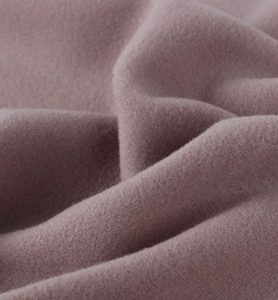
  • 320gsm 84%Cotton 16%Polyester Mineral Wash Fabric 180cm KX22001

    Mineral Wash Fabric Manufacturer

    Composition: 84% cotton 16% polyester

    Weight: 320gsm

    Width: 180cm

    Discover
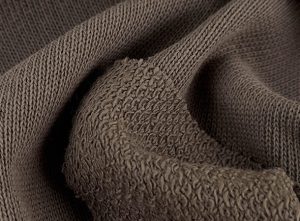
  • 300gsm 100%Cotton Single Jersey Imitation Mineral Wash Fabric 180cm DS42005

    Mineral Wash Fabric Manufacturer

    Composition: 100% cotton imitation

    Weight: 300gsm

    Width: 180cm

    Discover
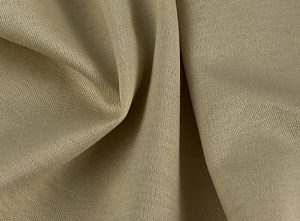
  • 260gsm 38%Viscose 29.1%Acrylic 27.4%Cotton 5.5%Spandex Elastane Mineral Wash Fabric 170cm KX22002

    Mineral Wash Fabric Manufacturer

    Composition: 38% viscose 29.1% acrylic 27.4% cotton 5.5% spandex

    Weight: 170cm

    Width: 260gsm

    Discover
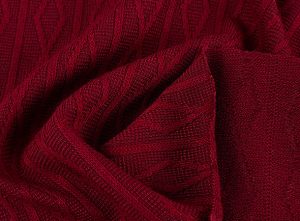
  • 235gsm 100%Cotton Mineral Wash fabric 180cm KX22004

    Mineral Wash Fabric Manufacturer

    Composition: 100% cotton

    Weight: 235gsm

    Width: 180cm

    Discover
  • 230gsm 80%Cotton 20%Polyester Mineral Wash fabric 175cm KX22003

    Mineral Wash Fabric Manufacturer

    Composition: 80% cotton 20% polyester

    Weight: 230gsm

    Width: 175cm

    Discover

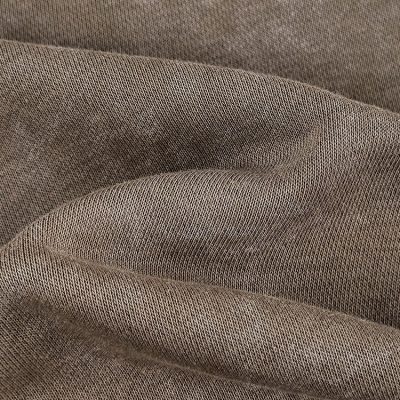
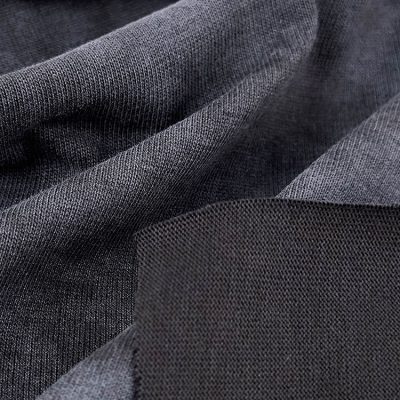
Mineral-washed fabrics, after being dyed, exhibit a faded, uneven, and distressed surface effect.

The Mineral Wash Process: Enzyme, Stone, and Pigment Techniques

Mineral wash fabric achieves a faded, uneven, worn-in surface through controlled dyeing and finishing treatments. Depending on the required effect, the process may involve pigment dyeing, enzyme washing, stone washing, sanding, bleaching, or other abrasion methods. Because washed effects naturally vary from batch to batch, bulk production should follow approved lab dips, strike-offs, or pre-production samples.

Manufacturing Process of Mineral Wash Fabric

Production follows a controlled sequence: pigment dyeing using mineral-based formulations, followed by abrasion treatment (enzyme wash, stone wash, or sand wash depending on the target effect), then rinsing and finishing to stabilize color and handle. Additional treatments — including softening, anti-pilling, or coating — can be applied based on order specifications. Runtang's in-house dyeing and finishing capability allows consistent replication across bulk production runs.

A batch of mineral-washed fabrics dyed in the factory.
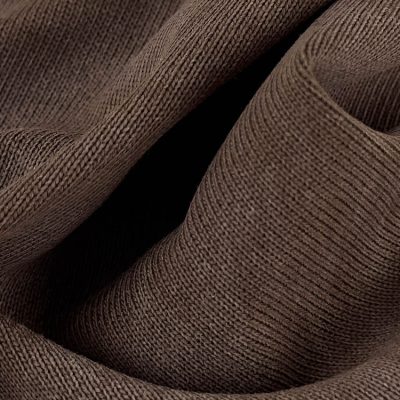
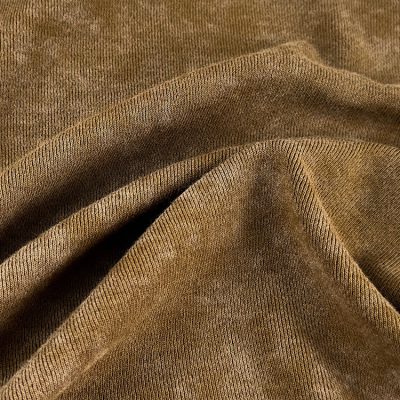
The heavyweight brown mineral-washed fabric exhibits a soft drape.
Fiber Options and GSM Range

Mineral wash treatment can be applied to different base fabrics, with cotton and cotton-polyester blends being common choices for clear washed effects. Rayon and linen bases can create softer drape and stronger tonal variation, while polyester blends may be selected when better dimensional stability is required. The available weight range can be positioned around 150–380 GSM, but the final GSM should be confirmed based on fabric structure, finishing method, and bulk order requirements.

Key Properties for Apparel Production

    • Color Consistency: Each production run is matched to an approved sample for color direction, with natural variation kept within the agreed tolerance. 
    • Dimensional Stability: Post-wash shrinkage is controlled through pre-shrinking and stabilization finishing. 
    • Wash Durability: Dyeing, rinsing, and finishing should be controlled to reduce excessive color loss during normal care, but final performance should be confirmed through buyer-approved testing.
    • Fiber-to-Effect Match: Different fiber bases respond differently to wash treatments — cotton yields the most pronounced vintage effect, while blended constructions offer more controlled results.
A variety of garments made from mineral-washed fabrics hang on hangers.

Apparel Applications

Mineral wash fabric's vintage appeal and unique aesthetics make it suitable for a range of apparel styles, including:

  • T-Shirts and Tops

    Mineral wash t-shirts and tops add a touch of worn-in character to casual outfits.

  • Jeans and Denim

    Mineral wash denim creates a distressed and edgy look for jeans, jackets, and vests.

  • Dresses and Skirts

    Mineral wash dresses and skirts offer a blend of comfort and style with a vintage twist.

  • Loungewear

    Sweatshirts, joggers, and loungewear made from mineral wash fabric provide a trendy and relaxed option.

  • Accessories

    Mineral wash fabric can be used for accessories like hats, bags, and scarves, offering a fashionable and unique accent.

Wet fabric moves through a bright industrial dyehouse, showcasing the mineral wash technique.

Dyeing and Washing Process Notes

The dyeing and washing process should be adjusted according to the required fade level, color contrast, base fabric, and hand feel. Light mineral wash effects need a more controlled finish, while heavier distressed effects may require stronger abrasion or bleaching treatment. Bulk timelines, testing requirements, and finishing specifications should be confirmed after sample approval.

Discover More Knitted Fabric

All Knit Fabric

    Get In Touch With Us

    Please contact us if you are interested in our products and services.

    Contact Us