Leading Knit Fabric Manufacturer

SCROLL

Explore Double Knit Fabric Manufacturer

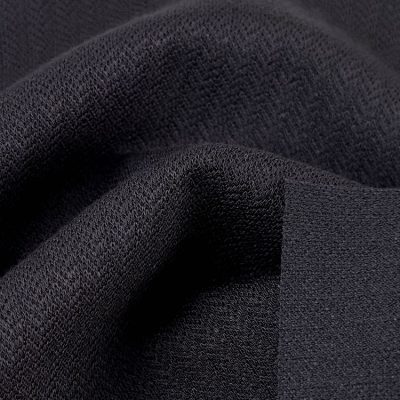
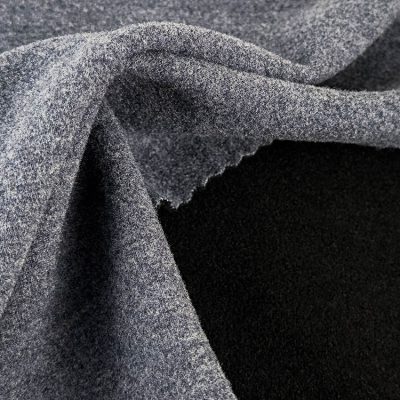
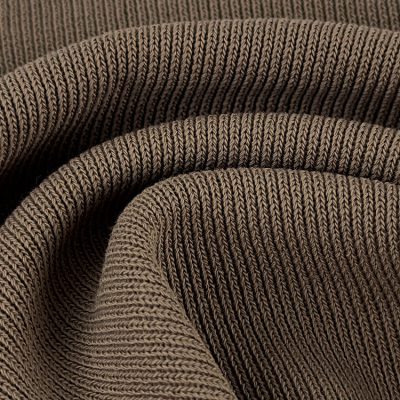
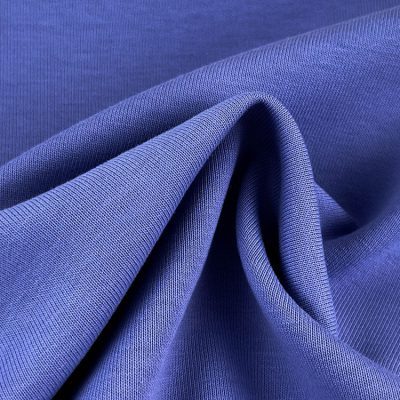
Runtang manufactures double knit fabric using two-needle-bed weft knitting to create a dense, stable, double-faced structure. We support custom fiber blends, GSM, color matching, finishing, sampling, and bulk production for apparel brands and garment manufacturers. MOQ depends on base fabric, dyeing method, color requirements, and order type.

  • Weight per ㎡
    • 90-600gsm
  • Width
    • 160-190cm
  • Minimum Order Quantity
    • 300 kg per colour
  • Fabric Type
    • Double Knit Fabric
  • Possible Fabric Production Certifications
    • Oeko-Tex, 
    • GRS
  • Sample
    • A4 Size Sample Available
  • Lab Dip Lead Time
    • 3-7days
  • PP Sample Lead Time
    • 15days
  • Bulk Lead Time
    • 25-45days
  • Also Known As
    • Double Cloth Knit Fabric, 
    • Double Layer Knit Fabric, 
    • Double Jersey,
    • Double Face Knit,
    • Double Sided Knit
  • Yarn Fiber Type
    • 100% Cotton, 
    • 100% Polyester, 
    • 100% Viscose, 
    • Cotton Polyester Blends, 
    • Cotton Acrylic Blends, 
    • Cotton Viscose Acrylic Blends, 
    • Acetate Lyocell Cotton Blends, 
    • Modal Viscose Polyester Blends, 
    • Viscose Acrylic Spun silk Polyester Blends, 
    • Bamboo Cotton Blends, 
    • Lyocell Wool Blends, 
    • Cotton Rayon Blends
  • For Garments
    • Polo Shirt, 
    • Skirt, 
    • T-Shirt, 
    • Casual Pants, 
    • Shorts, 
    • Loungewear, 
    • Track Suit Bottom, 
    • Sweatshirts, 
    • Track Suits, 
    • Dresses, 
    • Jackets, 
    • Suits
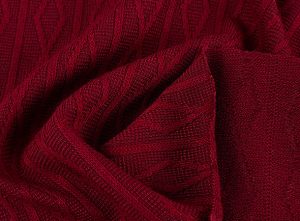
Our Double Knit Fabric Manufacturer Composition

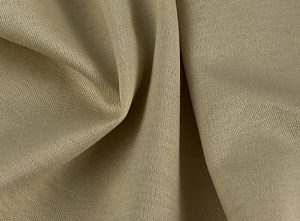
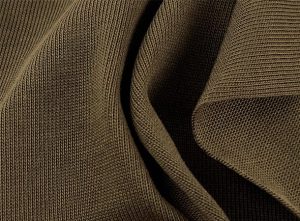
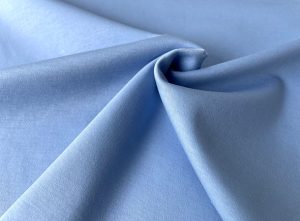
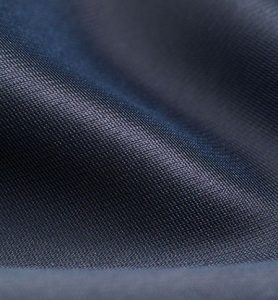
Discover our exceptional range of knit fabrics, perfect for quality and style. For custom options, feel free to contact us.

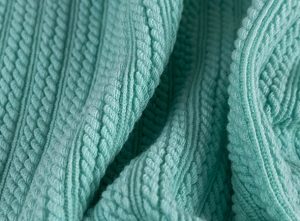
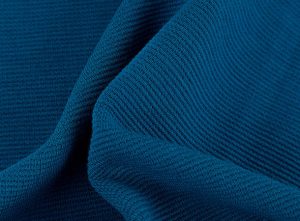
  • 480gsm 48.7%Polyester 36.2%Viscose 13.8%Nylon Polyamide 1.3%Spandex Elastane Double Pit Strip 148cm SM21029

    Double Knit Fabric Manufacturer

    Composition: 48.7% polyester 36.2% viscose 13.8% nylon 1.3% spandex

    Weight: 480gsm

    Width: 148cm

    Discover
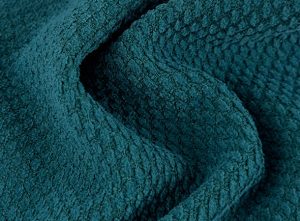
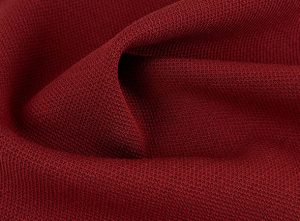
  • 420gsm 55%Cotton 45%Polyester Bonded Double Knit Fabric 185cm KF2083

    Double Knit Fabric Manufacturer

    Composition: 55% cotton 45% polyester

    Weight: 420gsm

    Width: 185cm

    Discover
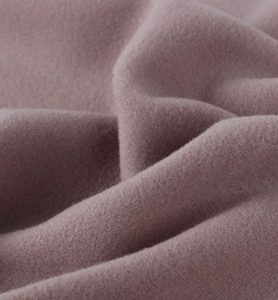
  • 400gsm 96%Polyester 4%Spandex Elastane Double Twill Fabric 155cm SM21031

    Double Knit Fabric Manufacturer

    Composition: 96% polyester 4% spandex

    Weight: 400gsm

    Width: 155cm

    Discover
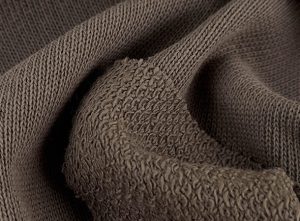
  • 400gsm 5%Wool 31%Tencel 49%Polyester 15%Spandex Elastane Double Pit Strip Fabric 148cm SM21013

    Double Knit Fabric Manufacturer

    Composition: 5% wool 31% tencel 49% polyester 15% spandex

    Weight: 400gsm

    Width: 148cm

    Discover
  • 400gsm 19.5%Viscose 17.5%Acrylic 2%Silk 12%Spandex Elastane 49%Polyester Brushed Double Knit Fabric 165cm YM0525

    Double Knit Fabric Manufacturer

    Composition: 19.5% viscose 17.5% acrylic 2% silk 12% spandex 49% polyester

    Weight: 165cm

    Width: 400gsm

    Discover
  • 380gsm 60%Cotton 40%Polyester Double Pit Strip Fabric 170cm SM21014

    Double Knit Fabric Manufacturer

    Composition: 60% cotton 40% polyester

    Weight: 380gsm

    Width: 170cm

    Discover
  • 360gsm 95%Cotton 5%Polyester Double Knit Fabric 185cm KF1987

    Double Knit Fabric Manufacturer

    Composition: 95% cotton 5% polyester

    Weight: 360gsm

    Width: 185cm

    Discover
  • 360gsm 65%Cotton 35%Polyester Double Pit Strip Fabri 80cm SM21023

    Double Knit Fabric Manufacturer

    Composition: 65% cotton 35% polyester

    Weight: 360gsm

    Width: 80cm

    Discover

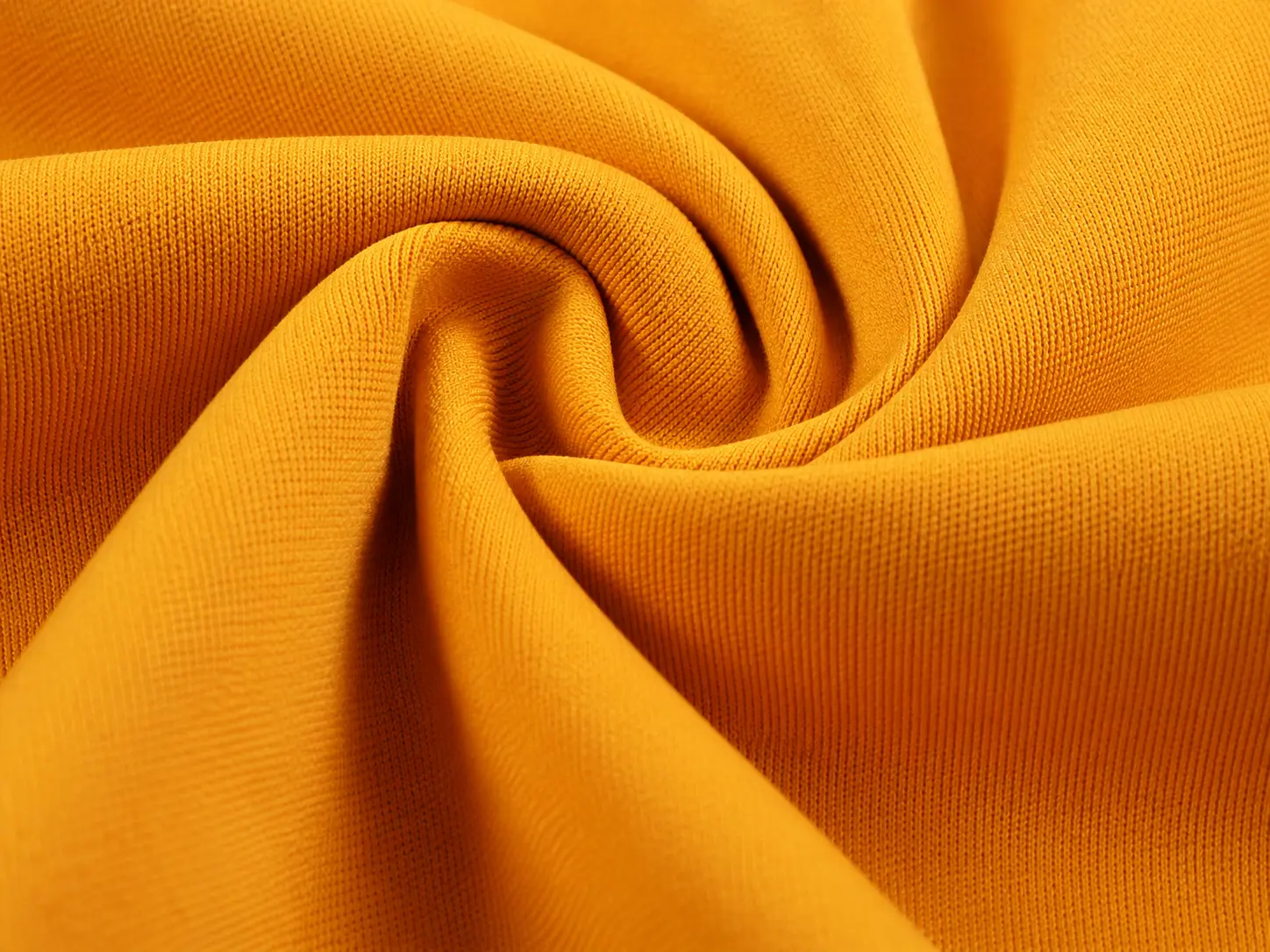
Close-up of orange single jersey fabric showing smooth knit face, soft folds, and even stitch definition.

Fiber Options and Construction

Double knit fabric can be produced with cotton, polyester, viscose, bamboo, nylon, or blended yarns such as cotton/polyester, cotton/acrylic, and cotton/bamboo. Spandex can be added in selected constructions when stronger stretch recovery is required. Compared with single jersey, double knit generally has a thicker, more stable double-faced structure with better resistance to curling and distortion. Fiber content, yarn count, stitch density, GSM, and finishing method should be confirmed during sample development.

Performance Characteristics

Double knit fabric can be engineered with mechanical stretch, while spandex blends can improve two-way or four-way stretch depending on construction. Its compact structure supports better shape retention, smoother surface appearance, and reduced edge curling compared with many single-knit fabrics. For bulk orders, stretch recovery, shrinkage, color fastness, wrinkle resistance, and dimensional stability should be confirmed through approved samples and buyer testing requirements.

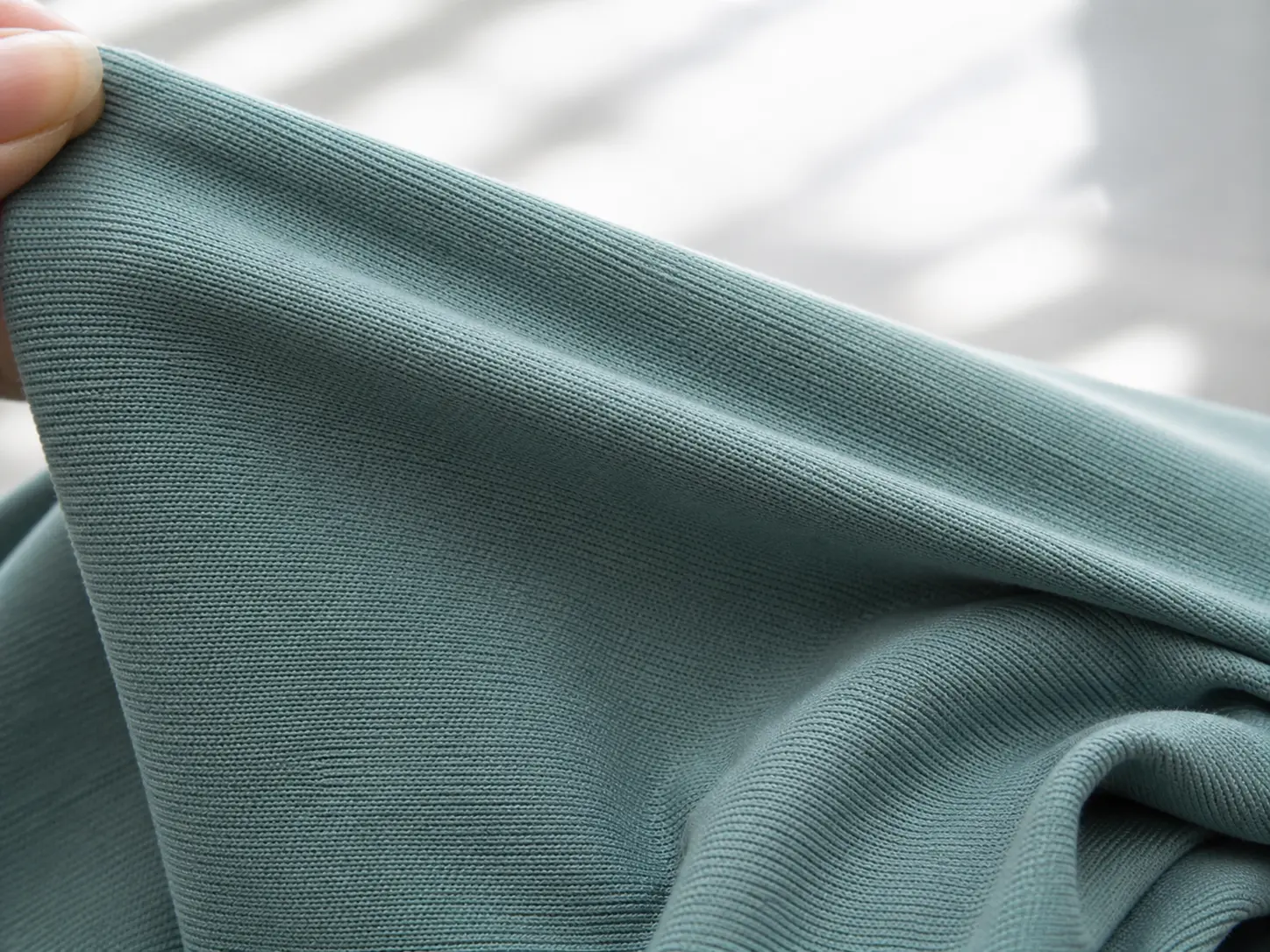
Teal single jersey fabric being gently stretched to show fine knit structure, smooth surface, and light elasticity.
Stacked single jersey fabric swatches in multiple colors, showing fine knit texture and options for apparel production.

Design Flexibility and Dyeing Options

Double knit can be made with the same yarn on both faces or with different yarn types on the front and back. When mixed fibers respond differently to dyeing and finishing, the fabric may show contrast-face or two-tone effects. This gives brands more room for custom texture, color, and surface development, but final appearance should be confirmed through strike-offs or sample yardage before bulk production.


Apparel Applications

Double-knit fabric is used for trousers, blazers, dresses, and fitted bottoms that need a stable shape and clean surface.

  • blue pants

    Tailored Trousers & Pants

    The fabric's firm hand and crease resistance suit tailored trousers and workwear bottoms that require structure without added lining.

  • Blue jackets

    Blazers & Structured Tops

    Stable double knit supports clean-cut blazers and structured tops while keeping a softer hand than many woven fabrics.

  • blue pants

    Activewear Bottoms

    Polyester-spandex double knit in 220–300 GSM is widely sourced for leggings, cycling shorts, and training pants requiring four-way stretch and recovery.

  • blue dress

    Ponte-Style Dresses

    Medium-weight constructions support fitted dress silhouettes for contemporary womenswear labels producing ponte-style day and workwear dresses.

Manufacturing Process

Double knit fabric is commonly produced on double-bed circular knitting machines with two sets of needles. The front and back faces are formed together during knitting, creating a stable double-faced fabric structure. Machine gauge, yarn tension, stitch density, and finishing control affect the final GSM, surface smoothness, stretch, and dimensional stability.

Single jersey fabric being produced on a circular knitting machine, showing yarn feeding and continuous knit formation.

Double Knit Frequently Asked Questions

  • What is double knit fabric?

    Double knit fabric is a weft-knitted construction produced using two sets of needle beds, forming interlocked front and back layers in a single pass. It can be manufactured in polyester, cotton, viscose, spandex, acrylic, bamboo, or nylon — including blended compositions. The resulting fabric is denser and more stable than single jersey, with good shape retention. Stretch level depends on yarn, knit structure, and whether spandex is added. OEKO-TEX® Standard 100 certified options are available. Please confirm certification requirements at the time of sampling.

  • What fiber options are available for double knit fabric?

    Runtang produces double knit fabric in single-fiber constructions including cotton, polyester, viscose, bamboo, and nylon, as well as blended compositions such as cotton/polyester and cotton/bamboo. Spandex can be added to many base-fiber blends to improve stretch and recovery for activewear and fitted applications. Specific fiber content can be developed to meet brand or certification requirements.

  • What is the minimum order quantity for double knit fabric?

    The standard MOQ for custom double knit development is usually 1,000 kg per order. For custom dyeing on available base fabric, MOQ may start from 300 kg per color. Stock options may support lower quantities, depending on availability. Please confirm MOQ, lead time, and color requirements before sampling.

  • What is the difference between single knit and double knit fabric?

    Single knit fabric is produced using one set of needle beds, creating a lighter, more drapey construction with a distinct right and wrong side. Double knit uses two needle beds simultaneously to form an interlocked two-layer structure — the result is a heavier, more stable fabric with consistent appearance on both faces and greater resistance to distortion. Double knit is generally preferred for structured garments, while single knit suits draped or lightweight applications.
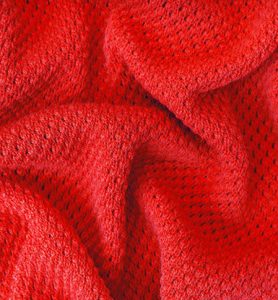
Discover More Knitted Fabric

All Knit Fabric

    Get In Touch With Us

    Please contact us if you are interested in our products and services.
    Contact Us